For student-athletes

You Don’t Have to Have Everything Figured Out Today. But You Do Need a Plan.

Stop comparing your recruiting journey to somebody else’s. Control what you can control — we’ll help you navigate the rest.

Where are you in the process?

Everybody’s Timeline Is Different

Athletes can begin learning about recruiting well before their junior or senior year. Younger athletes can focus on development, academics and learning the process, while older athletes may need a more aggressive outreach strategy. Here’s what that typically looks like.

9–10

Freshmen & Sophomores

Build the foundation.

  • Focus on development and competing
  • Take the classroom as seriously as your sport
  • Learn how recruiting works: levels, calendars, eligibility
  • Start building your athlete profile and film habits
  • Begin developing your identity beyond your sport
11

Juniors

Get on the radar.

  • Identify programs where you could realistically fit
  • Introduce yourself to college coaches professionally
  • Complete recruiting questionnaires and follow up
  • Attend camps strategically, not just to say you went
  • Keep your GPA strong — it’s part of your profile
12

Seniors

Finish with options.

  • A more aggressive, targeted outreach strategy
  • Campus visits and conversations with coaches
  • Understand offers, verbal commitments and roster spots
  • Evaluate fit: academically, athletically and personally
  • Make a decision with options on the table

Not sure where you stand? That’s exactly what the $110 Recruiting Evaluation is for.

Follow your path. Ignore the noise.

Control What You Can Control.

Rankings, offers, social media, other athletes committing, parents comparing their children, club politics — none of those things should control your recruiting journey.

  • Work
  • Develop
  • Compete
  • Learn
  • Communicate

Then allow the recruiting process to develop. We’ll help you navigate the rest.

Focus on what you can control

  • Get better.
  • Compete.
  • Handle your academics.
  • Communicate.
  • Build relationships.
  • Stay consistent.

Everybody’s timeline is different.

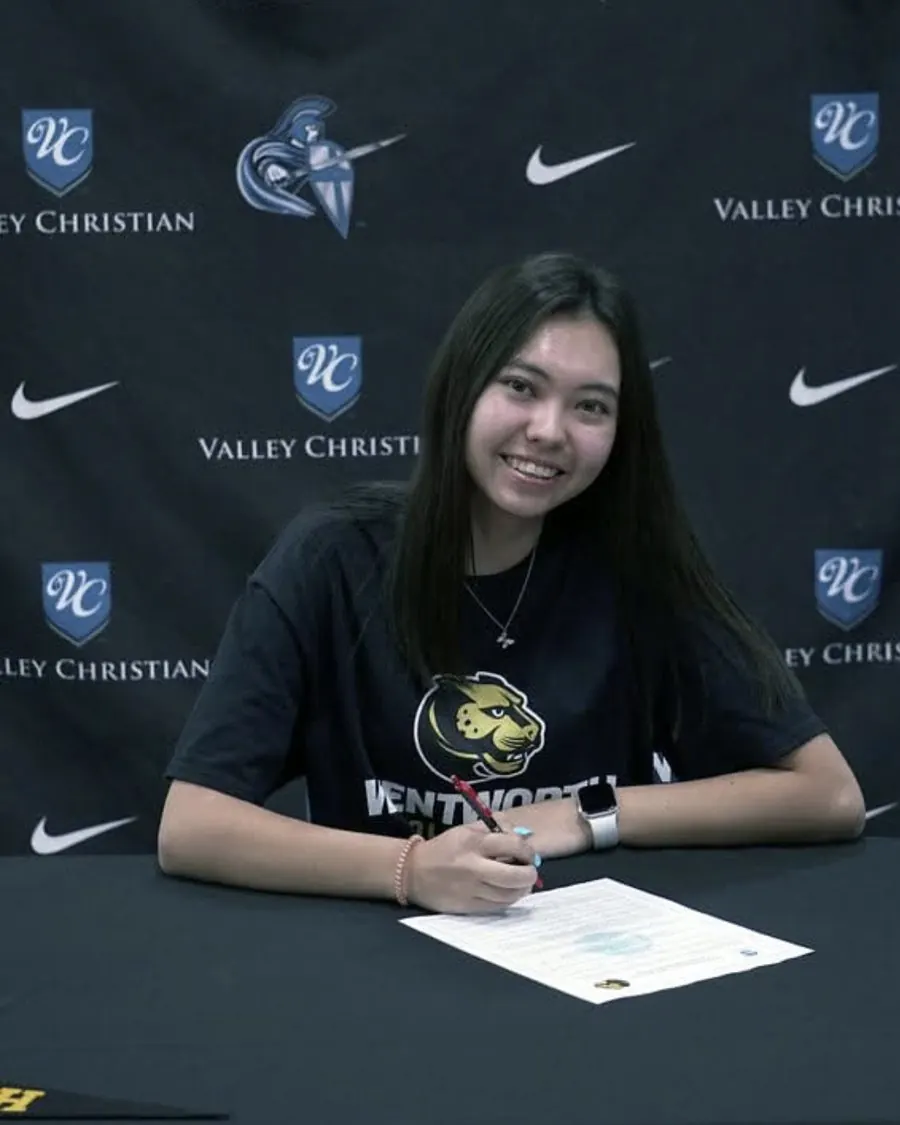
A student-athlete smiling as she signs her college letter at a Valley Christian signing-day table, wearing a Wentworth shirt.
Signing day — the point of the whole process is options.

Options at every level

You Don’t Need to Be a 5-Star Athlete

There are opportunities across NCAA Division I, II and III, NAIA, JUCO and other collegiate levels. The key is finding the right level, right school, right academic fit and right opportunity — on an individualised plan built around you, not social-media hype.

  • D-INCAA Division I
  • D-IINCAA Division II
  • D-IIINCAA Division III
  • NAIANAIA
  • JUCOJunior College

What each level actually means

Your Brand Begins Long Before NIL

College coaches want to understand the person behind the player. You can begin developing your identity as early as high school — athletics, academics, character, leadership, community and personality.

Your brand shouldn’t just tell people what sport you play. It should tell them who you are.

How we help you build it

Your GPA Is Part of Your Recruiting Profile

Recruiting isn’t only about athletics. Grades can create opportunities: strong academics may expand the number of colleges you can consider and potentially create additional academic scholarship opportunities.

The goal isn’t simply to become a college athlete. It’s to use athletics and academics to create opportunities for your future.

Why academics matter

Your athlete spotlight

Every Athlete Has a Story.

Being good isn’t enough if nobody knows who you are. As part of the exposure we build, your spotlight gives college coaches a quick, clear picture of who you are and why they should keep evaluating you.

It can showcase:

  • Name
  • Graduation Year
  • School
  • Club / Travel Team
  • Sport
  • Position
  • Height / Measurements
  • GPA
  • Statistics
  • Academic Interests
  • Athletic Accomplishments
  • Recruiting Updates
  • College Interest
  • Contact Information
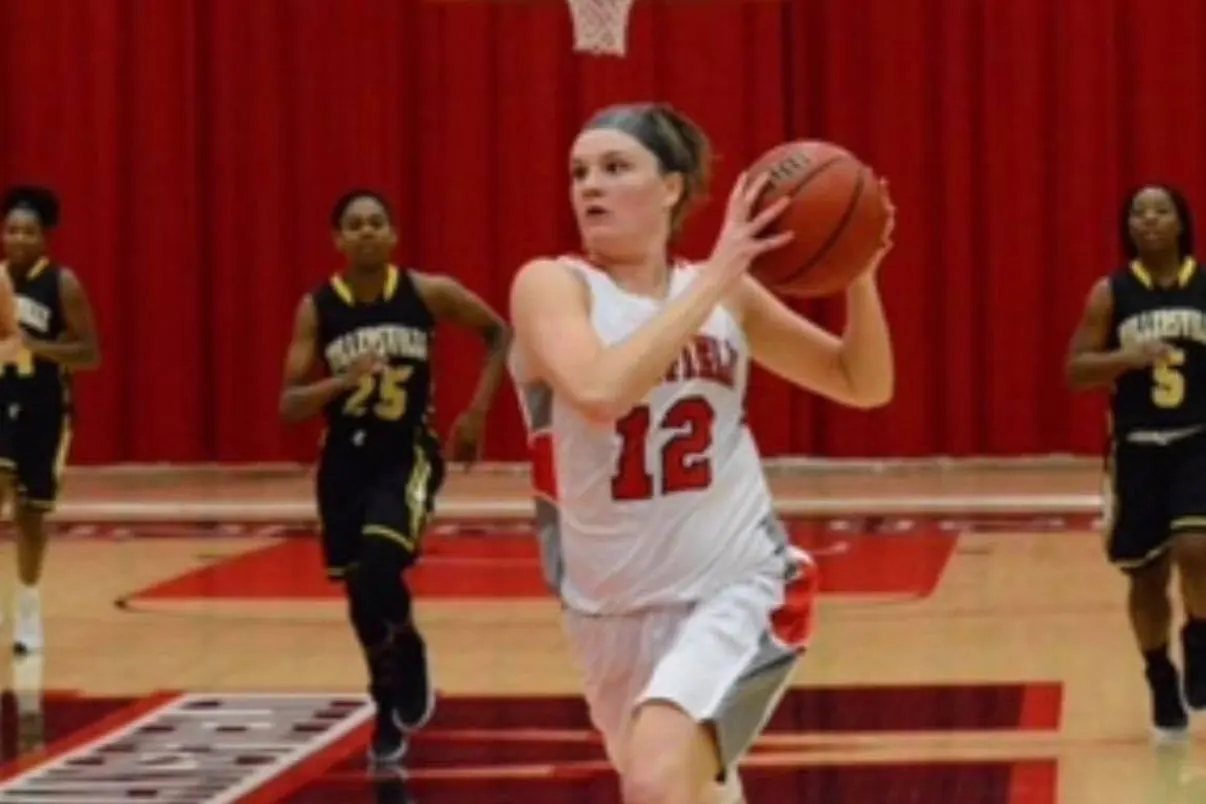
A high-school girls’ basketball player driving to the basket in a number 12 jersey.

How it works

Four Steps to Getting Recruited

Don’t wait until senior year to start asking questions. Build your recruiting strategy now.

  1. Schedule Your Recruiting Evaluation

    A one-time $110 evaluation of your athletic and academic profile, projected college level, recruiting readiness and current exposure.

  2. Get Your Roadmap & Recruiting Resume

    Walk away knowing where you stand, where you may fit, and what to do next — with a personal recruiting roadmap and a professionally organized athlete recruiting resume.

  3. Get Seen, Connected & Guided

    Monthly Recruiting ($75/month) for ongoing athlete promotion, college targeting, coach outreach, camp and visit guidance, and family support throughout the process.

  4. Work. Develop. Compete. Communicate.

    You keep developing. We help get your name into the right conversations. Then allow the recruiting process to develop.

Ready to get recruited?

Let’s Find Out Where You Stand.

Tell us a little about the athlete and we’ll follow up to talk through next steps.

$49 once · hosting included · free changesPreview reserved until Oct 23, 13:50 UTC
Make it yoursRequest a changeTerms